
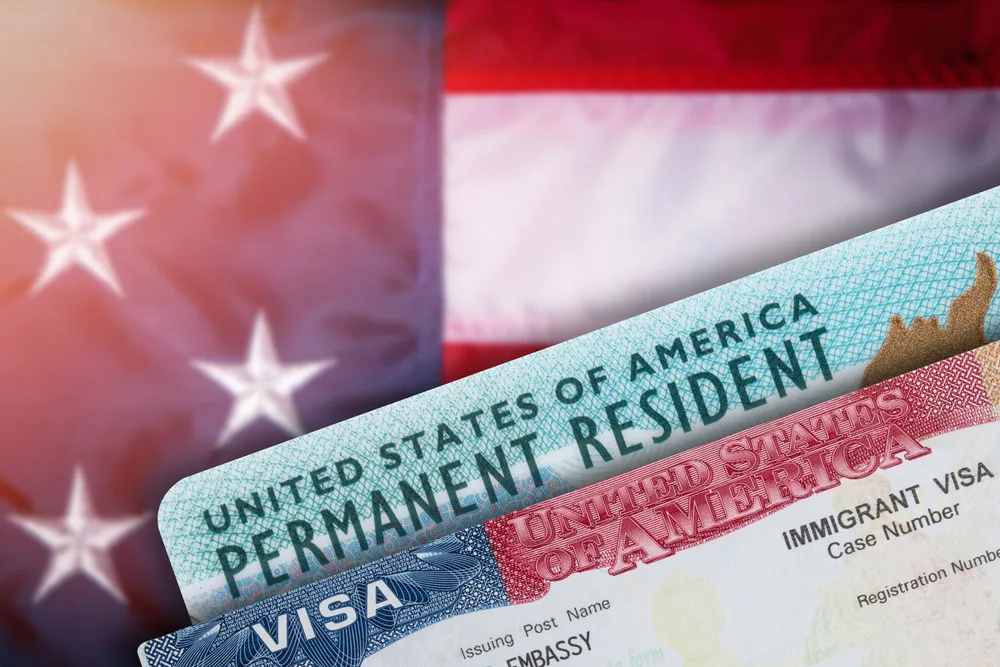
Many people beginning their U.S. immigration journey are unsure whether they need a work visa or a green card. While both options can allow foreign nationals to live and work in the United States, they serve different purposes and offer different rights and benefits.
Understanding the distinction between a green card vs work visa can help you make informed decisions about your future and create a long-term immigration strategy that aligns with your personal and professional goals.
What Is a Work Visa?
A work visa is a temporary authorization that allows a foreign national to work in the United States for a specific employer and period of time. Most work visas are classified as nonimmigrant visas, meaning they do not automatically provide permanent residency.
Work visas are often tied to employment and may have restrictions regarding job changes, travel, and length of stay.
Some of the most common work visas include:
H-1B Visa
The H-1B visa is designed for professionals working in specialty occupations that typically require a bachelor’s degree or higher. It is commonly used in industries such as technology, engineering, healthcare, and finance.
L-1 Visa
The L-1 visa allows multinational companies to transfer executives, managers, or employees with specialized knowledge from a foreign office to a U.S. office.
O-1 Visa
The O-1 visa is available to individuals who possess extraordinary ability in fields such as science, business, education, athletics, or the arts.
These visas can provide valuable opportunities, but they remain temporary immigration solutions.
What Is a Green Card?
A green card grants lawful permanent resident status in the United States. Unlike a work visa, a green card provides significantly greater flexibility and security.
Permanent residents can:
- Live and work anywhere in the United States
- Change employers more freely
- Travel internationally with fewer restrictions
- Sponsor certain family members for immigration benefits
- Eventually apply for U.S. citizenship if eligible
Obtaining a green card is often a major milestone for individuals seeking long-term stability in the United States.
If you are exploring options for a green card in Salt Lake City, understanding your eligibility and long-term goals is an important first step.
Green Card vs Work Visa: Comparing the Key Differences
While both options allow individuals to work legally in the United States, there are several important distinctions.
Duration
A work visa is generally temporary and must be renewed or extended according to immigration regulations. Depending on the visa category, there may be limits on how long an individual can remain in the country.
A green card provides permanent resident status and does not require continual visa renewals.
Employment Flexibility
Many work visas are employer-specific. Changing jobs may require a new petition, additional approvals, or a new visa application.
Green card holders typically enjoy greater employment flexibility and are not restricted to a single sponsoring employer.
Immigration Benefits
Work visa holders may have limited options for sponsoring family members and often face travel restrictions or visa maintenance requirements.
Green card holders receive broader immigration benefits, including pathways to citizenship and additional family sponsorship opportunities.
Long-Term Security
Because work visas are temporary, they may create uncertainty regarding future immigration status.
A green card offers greater stability and allows individuals to establish long-term roots in the United States.
When Does It Make Sense to Transition From a Work Visa to a Green Card?
Many foreign professionals begin their U.S. immigration journey on a work visa before pursuing permanent residency.
Transitioning to a green card may make sense when:
- You plan to remain in the United States long term
- You want greater job flexibility
- You hope to eventually become a U.S. citizen
- You want to reduce reliance on employer sponsorship
- You wish to sponsor eligible family members
Employment-based green card options are available for many professionals, including individuals currently working under H-1B, L-1, and other employment visas.
Why Long-Term Immigration Planning Matters
Immigration decisions made today can affect opportunities years into the future. Waiting too long to explore permanent residency options may result in missed opportunities or unnecessary delays.
A thoughtful immigration strategy considers:
- Career goals
- Family considerations
- Visa limitations
- Future residency objectives
- Potential citizenship plans
Planning ahead allows applicants to choose the most effective pathway and avoid unexpected complications.
How an Immigration Attorney Can Help
Determining whether a work visa or green card is the right option depends on your individual circumstances. An immigration attorney can evaluate your qualifications, identify available pathways, and help develop a strategy that supports your long-term goals.
At Buhler Thomas Law, we help individuals, families, and employers navigate complex immigration matters, including work visas, employment-based green cards, and permanent residency applications. Our team provides personalized guidance designed to help clients make informed decisions about their future.
Final Thoughts
Understanding the differences between a green card vs work visa is essential for anyone planning to live and work in the United States. While work visas provide valuable temporary opportunities, a green card offers permanent residency, greater flexibility, and a pathway toward citizenship.
If you’re evaluating your immigration options and considering the next step in your journey, Buhler Thomas Law can help you develop a strategy that aligns with your goals and supports long-term success in the United States.